

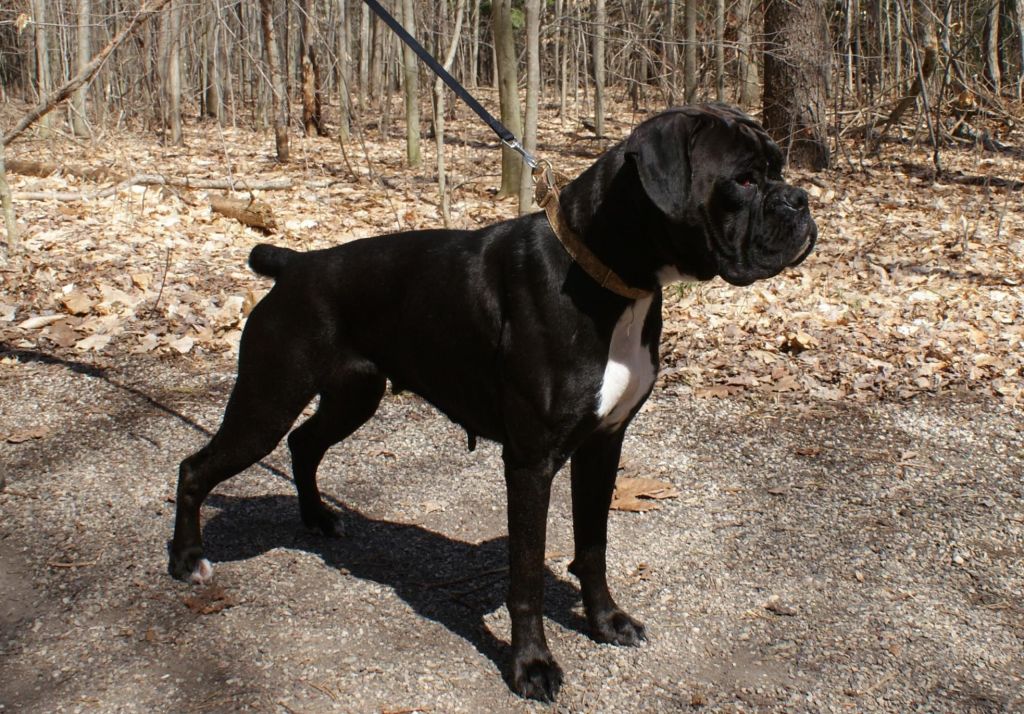
Hey there, dog lovers! Today, we’re diving into the world of a truly special pup—the Black Boxer Dog. Now, you might be picturing a sleek, jet-black canine, but let’s unravel the mystery a bit. What many think of as ‘black’ Boxer dogs are usually dark brindle. Their stripes are so tightly packed that they appear to be black from a distance. Intrigued? Let’s explore more about these stunning dogs.
- Are Black Boxer dogs rare?
- Are black Boxer puppies less healthy?
- Caring for Your Dark Brindle Boxer
- The Big Picture
Are Black Boxer dogs rare?
Black Boxers are actually quite rare, mainly because the black coat color is not a standard recognized by most kennel clubs. What many people think of as a “black” Boxer is typically a very dark brindle, where the stripes are so dense that the dog appears to be black. This is sometimes referred to as “reverse brindle,” not truly black but rather very densely striped.
The genetics of Boxer coat colors include fawn and brindle as the primary colors. The breed does not carry the genetic code for a true black coat. The appearance of a black coat in a Boxer would most likely be due to excessive melanin pigmentation in the brindle, causing the stripes to overlap significantly.
Because of the genetic makeup of Boxers, finding a dog that looks black due to very dark brindle is less common than the typical fawn or lighter brindle colors.

However, since true black isn’t a recognized or standard color for Boxers, breeders generally do not specifically breed for this appearance, keeping it a relatively rare occurrence.
Read: Is a Boxer Dog good for first time dog owner?
Are black Boxer puppies less healthy?
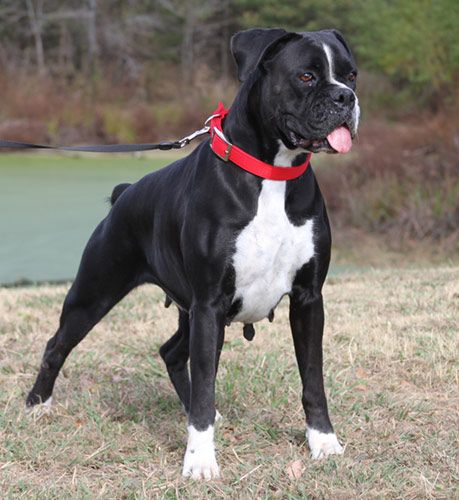
The color of a Boxer, including those that appear black (which, as mentioned earlier, are usually dark brindle), does not inherently affect their health. The health of a Boxer—or any dog—is not typically linked to the color of its coat but rather to genetics, breeding practices, and care.
However, it’s important to consider a few points related to coat color and health in dogs more generally:
Reputable Breeding Practices:
Health issues in dogs can often be attributed to breeding practices rather than coat color. Reputable breeders who conduct health screenings and genetic testing of their breeding dogs are more likely to produce healthy puppies. If a breeder is selecting dogs for breeding based solely on rare or unusual coat colors without considering health and genetic diversity, this could increase the likelihood of health problems.
Read: Boxer Puppies Care and Guide
Genetic Diversity: Sometimes, breeding for specific traits, including coat color, can reduce genetic diversity. This can be true for breeds where certain colors are very popular. However, since “black” Boxers are typically dark brindles and not a result of specific color breeding, this concern would be less relevant unless a breeder was specifically selecting for this trait repeatedly at the expense of genetic variety.
In some breeds, there are links between specific coat colors and certain health issues due to the complex genetics that determine coat color. For example, white or merle coat colors in some breeds are associated with higher risks of deafness or blindness. However, there is no known link between the dark brindle coat in Boxers and any specific health conditions.
Read: What about cropping your Boxer’s Ears?
In summary, a dark brindle (or “black”) Boxer is not inherently less healthy than Boxers of other colors. Prospective owners should focus on choosing a responsible breeder who prioritizes health, temperament, and adherence to breed standards over rare colors. Regular veterinary care and a healthy environment are key factors in the well-being of any dog, regardless of coat color.
Caring for Your Dark Brindle Boxer

Caring for a Black Boxer isn’t much different from caring for any Boxer. These dogs need regular exercise to manage their high energy levels. A couple of walks a day plus some playtime are essential. Due to their short coats, they handle heat better than cold, so consider a cozy dog jacket during those chilly months.
Training is another area where Boxers, irrespective of the color, need your attention. They are intelligent and relatively easy to train but can be a bit headstrong. Consistency and positive reinforcement are your best bets for a well-behaved pup.
The Big Picture
In a nutshell, the Black Boxer, with their dark brindle coat, is a marvel of the breed. They bring the same joy, companionship, and zest for life that Boxers are celebrated for, wrapped up in a coat that makes heads turn. Whether you’re thinking about adding a Boxer to your family or just appreciate knowing more about different dog breeds, understanding these dark-coated beauties is sure to deepen your appreciation for the diversity and wonder of our canine companions.
Stay pawsitive and keep loving those Boxers!
Read More about the Boxer Dog
Male vs. Female Boxer Dog: Which is Right for You?
Today, let’s talk about a topic close to our hearts and our furry friends’ comfort – finding the perfect bed for Boxer dogs.
Keep readingChoosing the Best Beds for Boxer Puppy Dog
Today, let’s talk about a topic close to our hearts and our furry friends’ comfort – finding the perfect bed for Boxer dogs.
Keep readingAmerican, UK or German Boxer? What are the differences?
Ever wondered about the subtle differences between a UK Boxer, a German Boxer, and an American Boxer? Well, buckle up, because we’re about to take…
Keep readingCropping Boxer Ears
Cropping a Boxer’s ears. It’s a debate that’s been wagging tails and raising eyebrows for as long as we can remember.
Keep readingA Boxer Puppy’s Care and Guide
Tips to take care of a Boxer puppy. It’s not just adopting a pet; it’s embracing a whirlwind of joy and energy.
Keep reading

 Puppies Created with Care & Love
Leave a comment